
Digital marketing is not about random posts, quick ads, or copying trends.
For me, it’s a structured process—where every action has a reason and every strategy leads toward a business goal.
In this blog, I’ll walk you through my complete digital marketing process, from the first strategy discussion to real execution and optimization. This is how I actually work, not textbook theory.
Step 1: Understanding the Business & Goals
Before touching SEO, social media, or ads, I start with deep business understanding.
What I Analyze First:
- Business model (product or service)
- Target audience
- Unique selling proposition (USP)
- Short-term and long-term goals
- Current online presence
Questions I Ask:
- Who is your ideal customer?
- What problem are you solving?
- What does success look like for you—leads, sales, or brand awareness?
📌 Why this matters:
Without clarity, marketing becomes guesswork. Strategy always comes before execution.
Step 2: Market, Competitor & Audience Research


4
Once goals are clear, I move into research mode.
My Research Focus:
- Competitor websites and content
- Keywords competitors are ranking for
- Social media presence and engagement
- Content gaps and opportunities
- Customer behavior and intent
This helps me answer one key question:
How can we position this brand better than competitors?
Step 3: Building a Clear Digital Marketing Strategy
Strategy is the foundation of everything.
My Strategy Includes:
- Channel selection (SEO, social media, paid ads, email, etc.)
- Content plan
- Funnel structure (awareness → consideration → conversion)
- KPIs and success metrics
- Timeline and priorities
I never try to do everything at once.
I focus on what will create the biggest impact first.
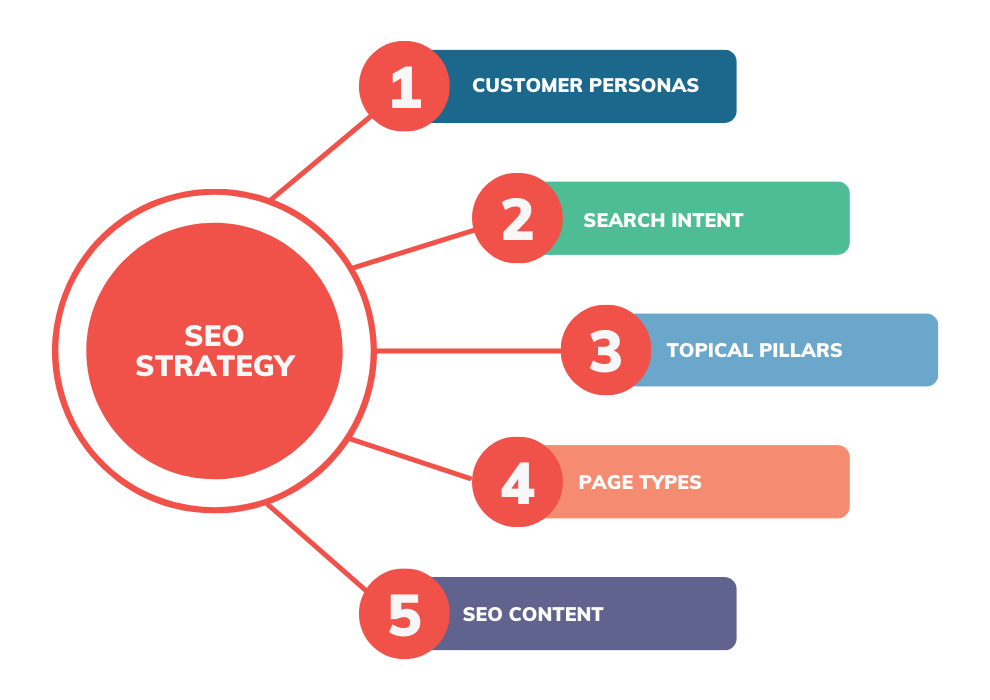
Step 4: SEO Planning & Website Optimization

4
SEO is a core part of my process because it builds long-term growth.
How I Approach SEO:
- Keyword research based on search intent
- On-page SEO optimization
- Content structure planning
- Internal linking strategy
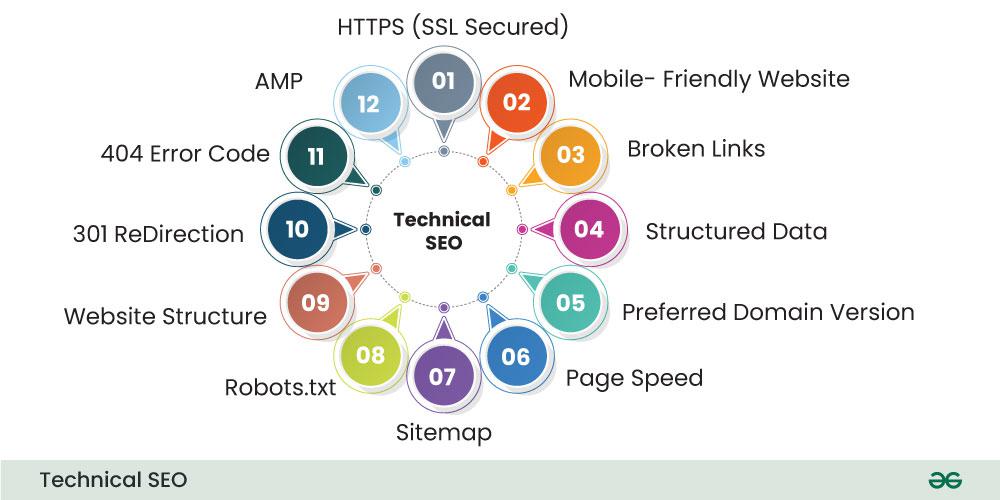
- Basic technical SEO checks
My SEO Goal:
Not just rankings—but qualified traffic that converts.
Step 5: Content Creation & Content Marketing
Content is where strategy turns into execution.
Types of Content I Create:
- Blog posts
- Website content
- Social media posts
- Case studies
- Lead magnets
My Content Principles:
- Solve real problems
- Simple language
- Clear structure
- Actionable insights
Good content builds:
- Trust
- Authority
- Organic traffic
- Brand credibility
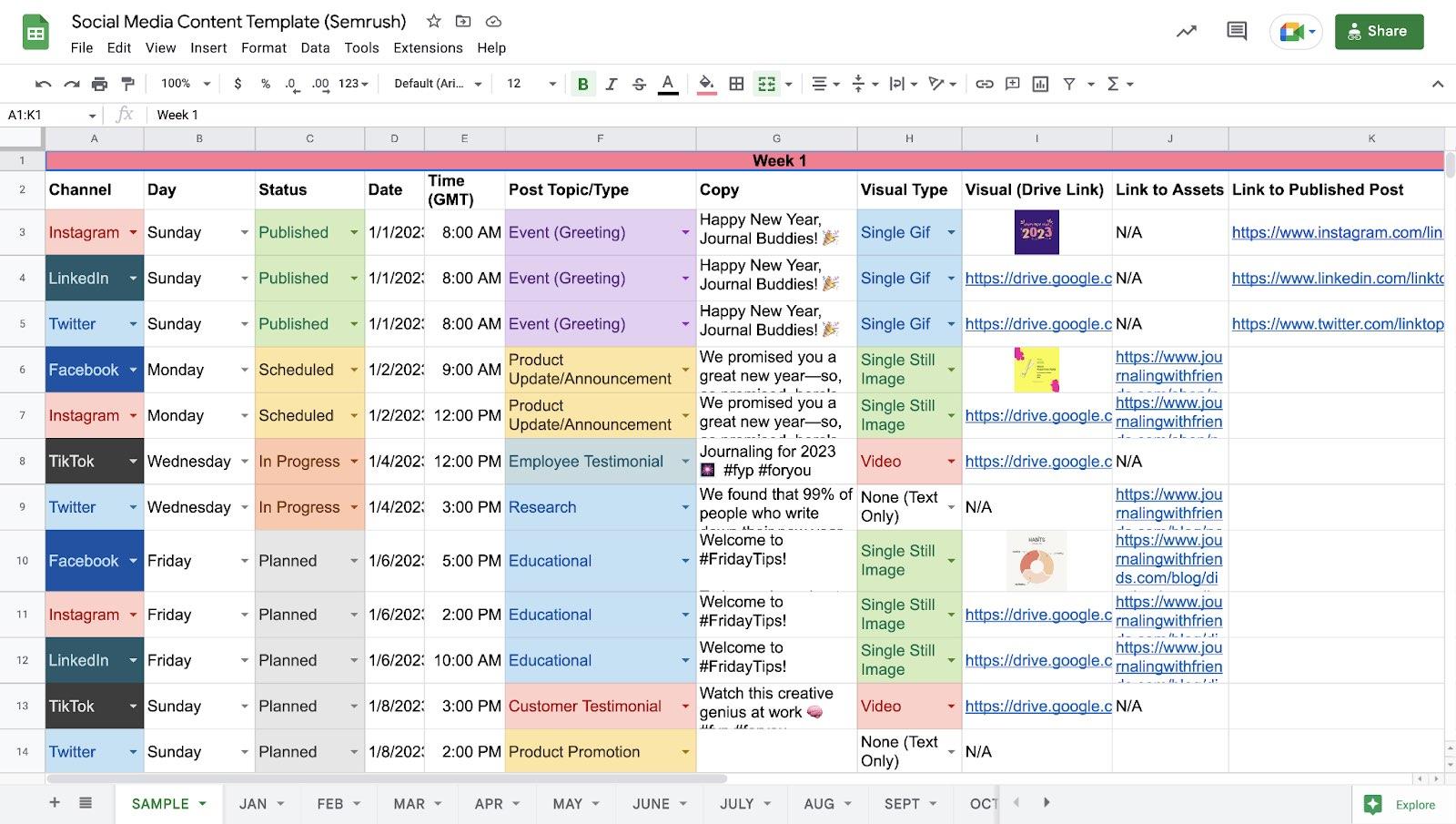
Step 6: Social Media Execution (Purpose-Driven)

4
I don’t post randomly.
Every social media post serves a specific purpose.
My Social Media Process:
- Platform selection based on audience
- Content calendar planning
- Mix of educational, promotional, and engagement posts
- Consistent branding and tone
- Active engagement (comments, DMs)
Social media is not just for likes—it’s for relationships and visibility.
Step 7: Paid Ads (When Budget Is Available)
If a budget exists, I use paid ads strategically, not blindly.
My Paid Ads Approach:
- Clear campaign objective
- Audience targeting
- Compelling ad copy
- Conversion-focused landing pages
- A/B testing
I believe paid ads should support organic efforts, not replace them.
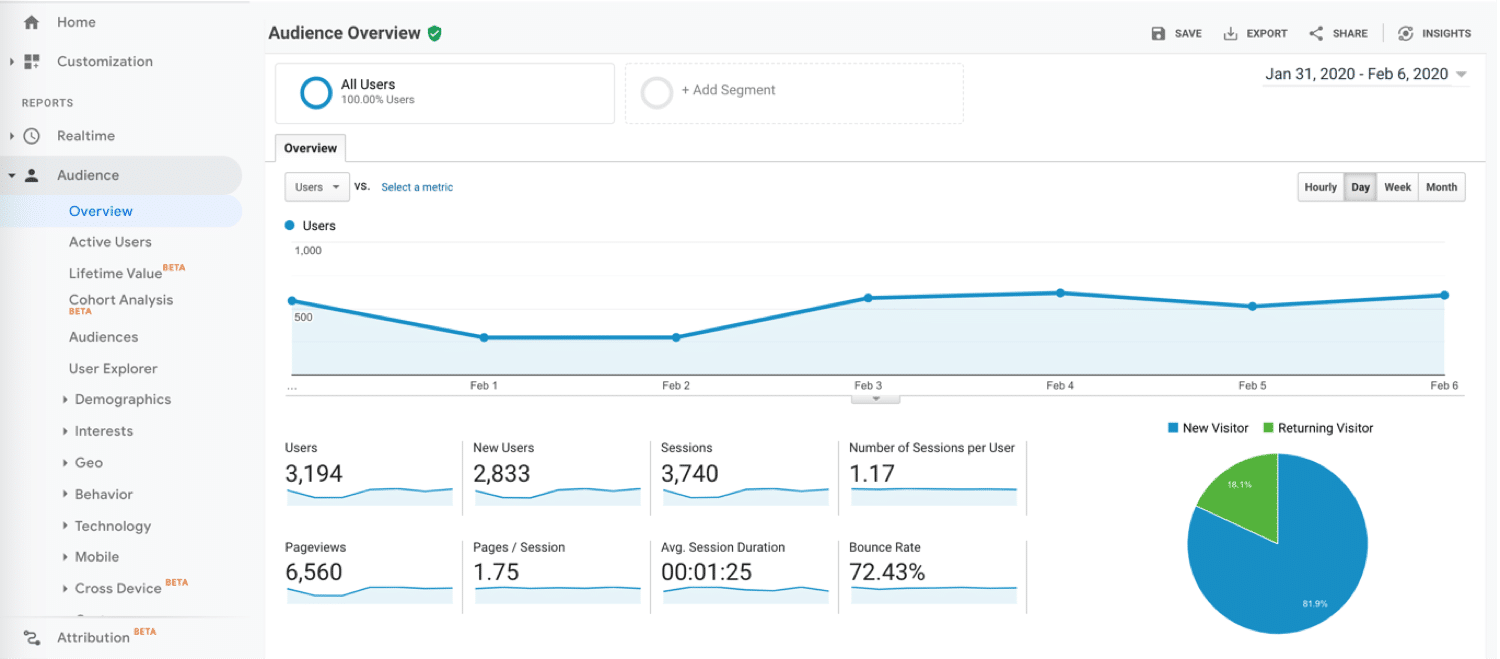
Step 8: Tracking, Analytics & Performance Monitoring

4
Execution without tracking is incomplete.
Metrics I Track:
- Website traffic
- Leads and conversions
- Engagement rate
- Keyword performance
- ROI (when applicable)
Data helps me:
- Identify what’s working
- Fix what’s not
- Improve future campaigns
Step 9: Optimization & Continuous Improvement
Digital marketing is never “done.”
What I Continuously Optimize:
- Content performance
- SEO rankings
- Ad creatives
- Social media engagement
- Conversion rates
Small improvements over time lead to big results.
My Core Digital Marketing Philosophy
- Strategy before tactics
- Quality over quantity
- Consistency over shortcuts
- Data over assumptions
Digital marketing success comes from clarity, execution, and patience.
Final Thoughts
My digital marketing process is designed to:
- Reduce guesswork
- Maximize impact
- Build sustainable growth
From strategy to execution, every step is connected and goal-driven.
If you’re looking for someone who understands both planning and execution, this is exactly how I approach digital marketing.