
How to Create a Social Media Strategy for Small Businesses

Social media has become a powerful tool for small businesses to reach customers, build trust, and increase sales without spending a lot of money.
But posting randomly won’t bring results — you need a proper social media strategy.
In this guide, you’ll learn exactly how small businesses can build a strong, effective, and easy-to-follow social media strategy.
🔍 What Is a Social Media Strategy?
A social media strategy is a step-by-step plan that defines:
What to post
Where to post
Who you want to reach
How often you should post
What goals you want to achieve
In simple words:
👉 A social media strategy helps small businesses grow consistently and reach the right audience with the right content.
🎯 1. Define Your Social Media Goals

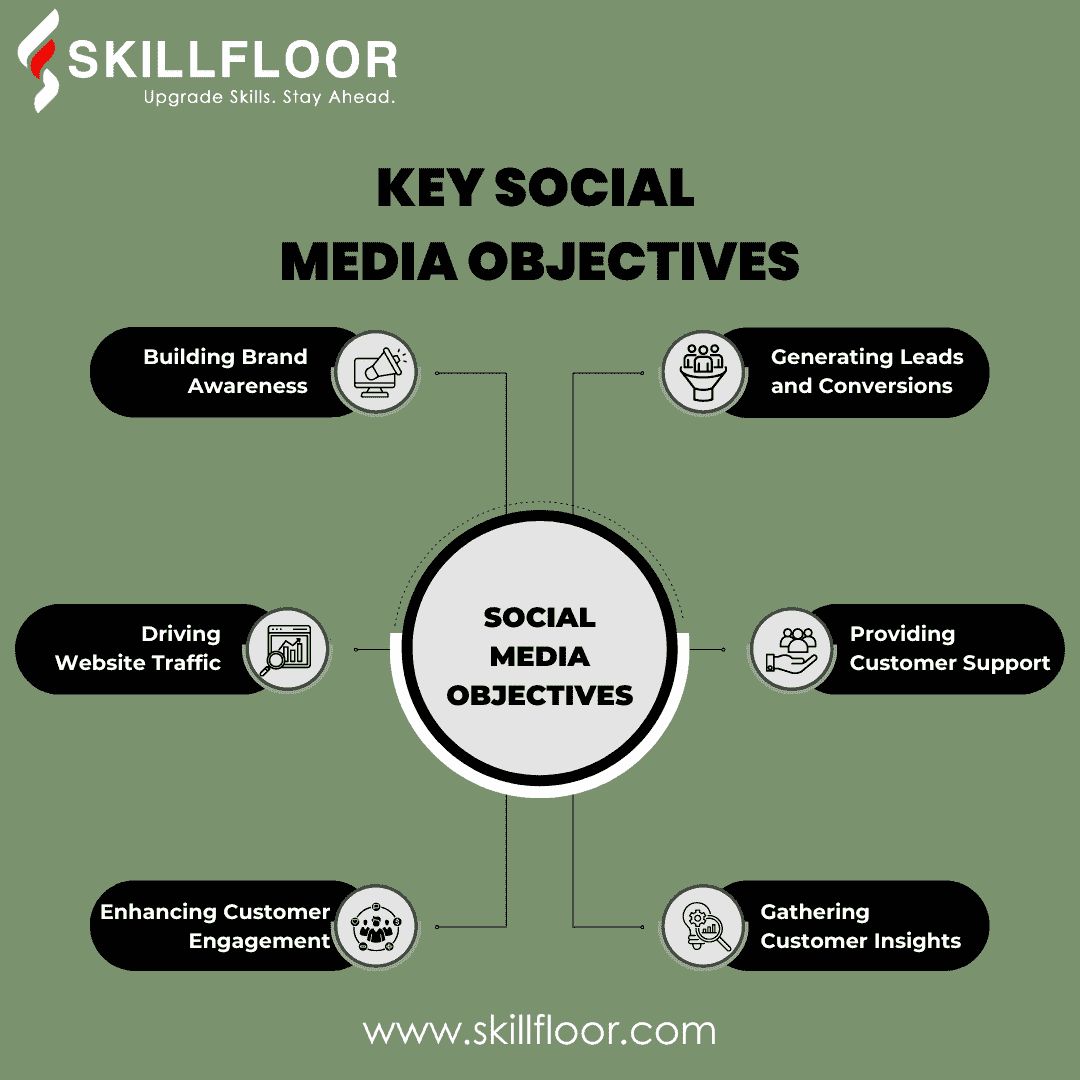
Before posting anything, you must decide what you want to achieve.
Common goals for small businesses include:
Increase brand awareness
Get more customers/leads
Boost website traffic
Increase sales
Build community & trust
Showcase products or services
Example:
A bakery might set a goal to increase local reach to get more walk-in customers.
🎯 2. Know Your Target Audience
A successful strategy starts with understanding who you’re talking to.
Identify:
Age
Location
Needs
Pain points
Interests
Buying behavior
Example:
A fitness trainer may target:
Age 20–40
People interested in weight loss
Local audience
People active on Instagram & YouTube
When you know your audience, creating content becomes easy.
📱 3. Choose the Right Social Media Platforms
Not every business needs to be on every platform.
Choose platforms where your target customers are active.
Best platforms for small businesses:
Instagram — great for visuals, reels, product showcase
Facebook — great for local marketing & groups
YouTube — best for tutorials, product demos
WhatsApp Business — great for direct customer communication
LinkedIn — best for B2B and service-based businesses
Pinterest — great for lifestyle, fashion, food, and decor
👉 Focus on 2–3 platforms, not all.
🧩 4. Create Valuable and Engaging Content

Small businesses must create content that educates, entertains, or inspires customers.
Types of content you should post:
Reels/Short videos — best for reach
Product photos
Customer testimonials
Behind-the-scenes
Before & after results
Tips & advice in your niche
Storytelling posts
Polls, Q&A, quizzes
Example:
A salon can post:
Hair transformation reels
Product tips
Client testimonials
Styling tutorials
🗓️ 5. Build a Consistent Posting Schedule
Posting randomly will never grow a page.
Ideal posting frequency:
Instagram: 3–5 times per week
Facebook: 2–4 times per week
YouTube: 1 video per week
Stories: Daily
Use tools like:
Meta Business Suite
Buffer
Canva Scheduler
Hootsuite
Consistency builds trust and improves algorithm reach.
🏷️ 6. Use Hashtags & Trends Smartly
Hashtags help increase reach.
Trends (reels, audio, challenges) help content go viral.
Tips:
Use 5–15 relevant hashtags
Mix of niche + location + trending tags
Follow trending sounds on Instagram
Join industry-related challenges
Example:
For a local clothing store:
#DelhiFashion
#DailyWear
#IndianOutfits
#BoutiqueStyle
💬 7. Engage With Your Audience
Engagement tells the algorithm your content is valuable.
Do this daily:
Reply to comments
Respond to DMs
React to customer stories
Engage with similar pages
Ask questions
Use polls and stories
👉 Engagement builds a community — and community builds sales.
📈 8. Track Your Performance & Optimize
You can’t grow without analyzing results.
Check analytics for:
Reach
Profile visits
Website clicks
Engagement rate
Best performing posts
Audience demographics
Use:
Instagram Insights
Facebook Meta Suite
YouTube Analytics
Stop doing what doesn’t work.
Do more of what works well.
🚀 9. Use Paid Ads (Optional but Powerful)
Paid ads help small businesses reach:
Local customers
Targeted audience
People ready to buy
You can even start small:
₹100–₹300 per day
Promote best-performing post
Run location-based ads
Perfect for:
Restaurants
Salons
Boutiques
Photographers
Fitness trainers
Small shops
🔚 Conclusion
A strong social media strategy helps small businesses grow faster, reach the right customers, and build a trusted brand.
Here’s a quick recap:
Set clear goals
Know your audience
Choose the right platforms
Create valuable content
Post consistently
Engage with followers
Use hashtags & trends
Track performance
Use ads if needed
Follow these steps and your small business will grow steadily on social media.